Winter Carp Fishing Tips
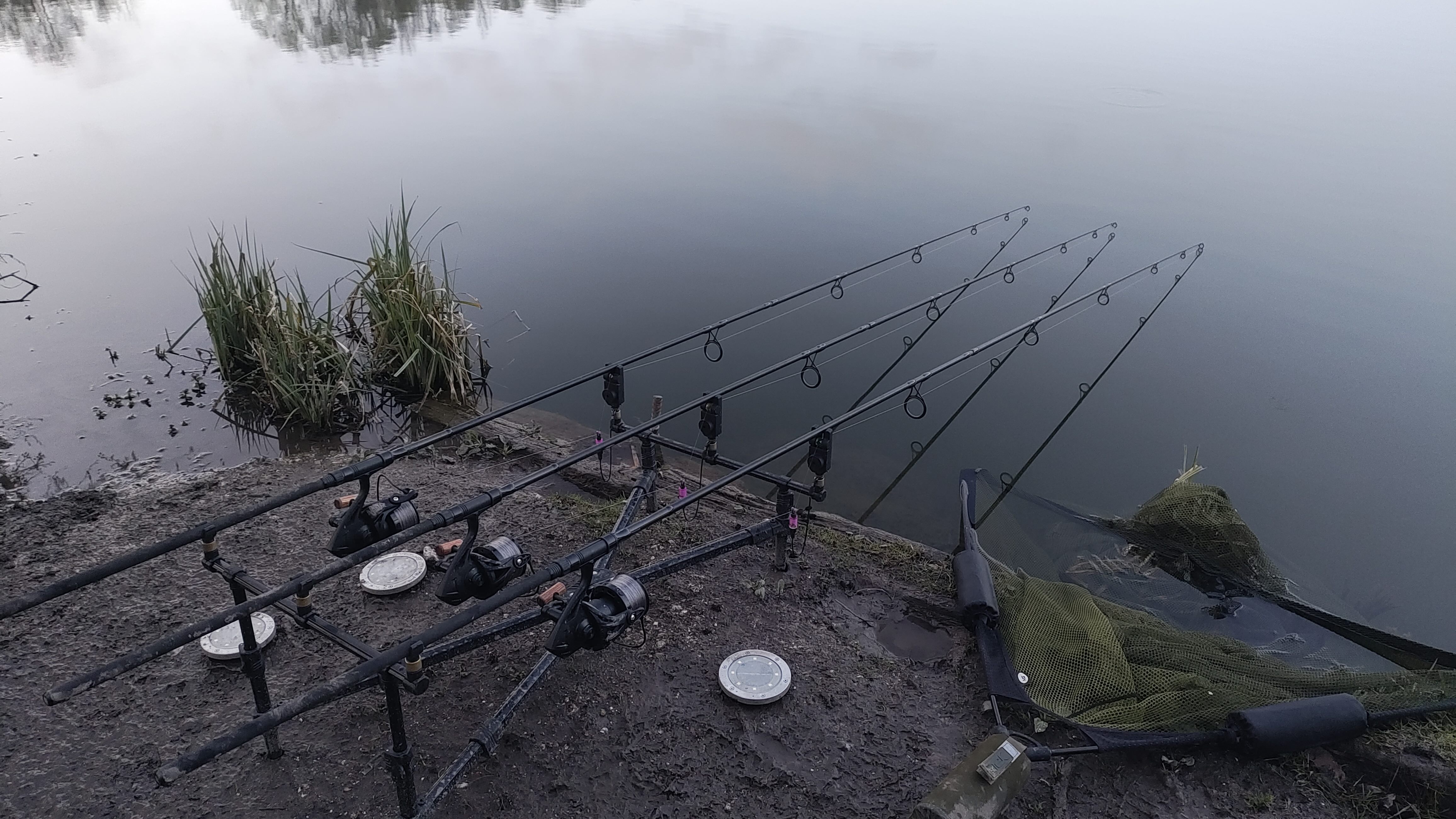
Winter is the season that separates the dedicated carp anglers from the fair-weather fishermen.
The lakes are quieter, the mornings are colder and bites can be few and far between. But don't let that put you off. Some of the most rewarding captures of the year come during the coldest months.
Contrary to popular belief, carp do not stop feeding in winter. They simply feed less often and are usually far less willing to travel long distances for food.
Learn how winter carp behave and you'll still have every chance of catching fish while everyone else is sat at home waiting for spring.
Do Carp Feed in Winter?
Yes. Carp continue to feed throughout winter.
However, as water temperatures drop, their metabolism slows down. This means they require less food and often feed in shorter windows compared to spring, summer and autumn.
The trick is not to force a feed but to be ready when one happens.
Carp's Answer: "We still eat. We just don't fancy an all-you-can-eat buffet."
Location Becomes More Important Than Ever
During summer, carp may travel around the lake for long periods. In winter, they often become much more predictable.
Finding the fish is far more important than changing rigs, hookbaits or bait flavours.
Look For:
- Areas receiving the most sunlight.
- Sheltered corners protected from cold winds.
- Slightly deeper water on colder days.
- Shallow water during bright afternoons.
- Any signs of showing fish.
- Occasional patches of fizzing bubbles.
Even a single showing fish during winter can be an incredibly valuable clue.
Carp's Answer: "Find us first. Worry about bait later."
Use Less Bait
One of the biggest mistakes winter anglers make is feeding as if it were July.
Because carp are eating less, it becomes much easier to overfeed an area and fill the fish up before they even find your hookbait.
A small, accurate approach often outperforms a large baiting campaign.
Good Winter Options:
- Single hookbaits.
- Small PVA bags.
- A handful of boilies.
- Small pellet traps.
- Light scattering of crumb.
Carp's Answer: "A snack sounds perfect. A bucket of bait sounds exhausting."
Choose Easily Digested Baits
Winter is not the time to pile in heavy quantities of bait.
Many anglers switch to smaller boilies, crumb mixes, pellets and highly attractive hookbaits that require less feeding activity from the fish.
Popular Winter Baits:
- Bright pop-ups.
- Small boilies.
- Crumb mixes.
- Micro pellets.
- Sweetcorn.
- Wafters.
Visibility can often be just as important as food value during the colder months.
Bright Hookbaits Can Make a Difference
With fewer natural feeding opportunities available, a highly visible hookbait can sometimes trigger curiosity and inspection.
Fluoro pinks, yellows and whites remain popular winter colours because they stand out against darker lakebeds.
They won't magically catch fish, but they can help your bait get noticed.
Carp's Answer: "When there's not much happening, the bright one often gets our attention."
Fish During the Warmest Part of the Day
During severe cold spells, carp are often most active during the warmest period of the day.
Instead of arriving before sunrise, many successful winter anglers focus on late morning through to mid-afternoon.
Even a small increase in water temperature can make a difference.
Typical Winter Feeding Window:
- 10am - 3pm on bright days.
- During weather changes.
- Before an approaching low-pressure system.
Keep Your Rigs Simple
Winter is not the season for constantly changing presentations.
Reliable, simple rigs fished accurately give you one less thing to worry about.
Great Winter Choices:
- Hair Rig.
- Simple Bottom Bait Rig.
- Pop-Up Rig.
- PVA Bag Rig.
Focus on placement rather than complexity.
Carp's Answer: "We're cold, not clever."
Watch the Weather
Winter weather often influences carp behaviour more than anglers realise.
Conditions Worth Looking For:
- Milder temperatures after a cold spell.
- Consistent weather patterns.
- Warm southerly winds.
- Overcast days following frost.
- Sudden warming trends can often trigger feeding activity.
Carp's Answer: "A little warmth goes a long way."
Stay Mobile If Allowed
Winter carp are often grouped together in relatively small areas of the lake.
If your venue allows movement, don't be afraid to relocate if you've seen fish elsewhere.
Sitting behind motionless rods all day while carp are showing on the opposite bank rarely ends well.
Common Winter Mistakes
- Using too much bait.
- Fishing where it's comfortable instead of where fish are.
- Ignoring showing fish.
- Changing rigs too often.
- Leaving rods out for hours without reassessing.
- Fishing the same summer spots without evidence fish are there.
Carp's Answer: "Just because we were there in August doesn't mean we're there now."
A Simple Winter Strategy
- Arrive and spend time watching the water.
- Look for signs of fish.
- Fish accurately.
- Use small amounts of bait.
- Keep rigs simple.
- Stay alert for signs of activity.
- Move if the fish move.
It's not complicated. Most winter success comes from patience, observation and timing.
Frequently Asked Question
Can you catch carp in freezing weather?
Yes. Catch rates may be lower, but carp are caught throughout the winter, including during very cold conditions.
Should I use lots of bait in winter?
In most situations, no. A small and accurate baiting approach is often more effective.
What is the best winter carp bait?
Confidence matters more than flavour. Bright hookbaits, small boilies, pellets and sweetcorn all take fish consistently during winter.
What is the best time to fish for carp in winter?
Late morning to mid-afternoon is often productive, particularly on bright days when the water has had time to warm slightly.
Final Thoughts
Winter carp fishing rewards patience more than any other season. The anglers who continue catching aren't necessarily using secret baits or advanced rigs. They've simply learned to watch the water, fish accurately and make the most of limited feeding opportunities.
Keep things simple, stay confident and remember that one winter bite can be worth ten summer bites.
Carp's Final Answer: "We're still here. You just have to work a little harder to find us."