How to Find Carp in Any Lake
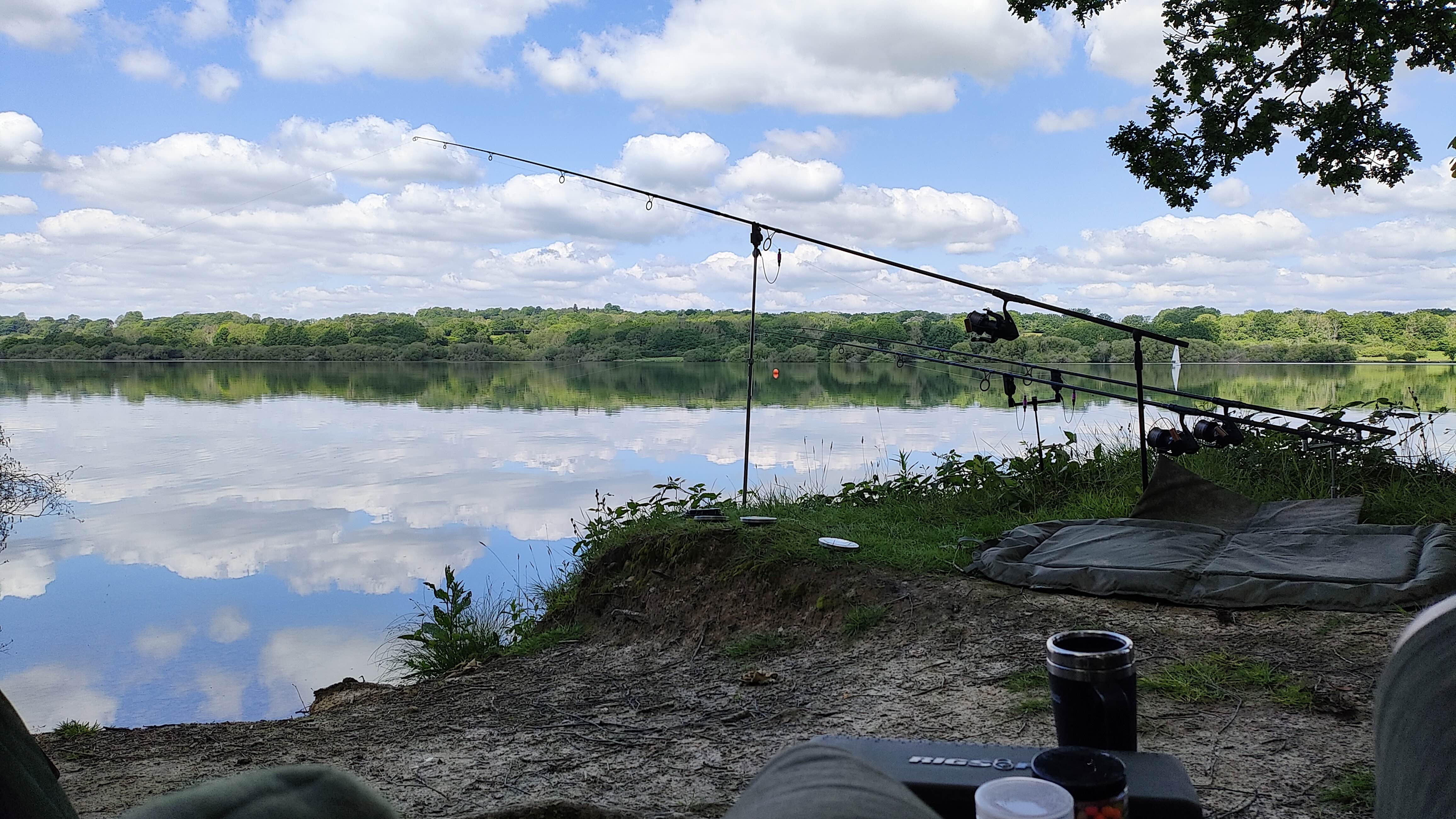
Ask ten experienced carp anglers what the most important skill in carp fishing is and most will give you the same answer: finding the fish.
You can have the best bait, the sharpest hooks and the most expensive rods on the lake, but none of it matters if there aren't any carp in front of you.
Learning how to locate carp consistently will catch you more fish than any new rig, bait flavour or piece of tackle ever will.
The Biggest Secret in Carp Fishing
Carp can only be caught where they are.
It sounds obvious, but many anglers spend hours perfecting rigs while completely ignoring what's happening in the water around them.
Before setting up your bivvy, before casting a rod and before opening the bait bucket, spend time looking for signs of fish.
Carp's Answer: "We're surprisingly hard to catch when we're swimming somewhere else."
1. Watch the Water Before Fishing
One of the easiest ways to improve your catches is to arrive at the lake and do absolutely nothing for 20 to 30 minutes.
Walk quietly around the venue and simply watch.
Carp often reveal their location if you're patient enough to spot them.
Look For:
- Fish rolling on the surface.
- Carp showing their backs.
- Head-and-shoulder movements.
- Tail patterns.
- Fish cruising in shallow water.
- Bubbles appearing regularly from one area.
One showing fish could be chance. Several signs in the same area often indicate fish are actively using that part of the lake.
2. Learn to Spot Feeding Signs
Carp rarely hide the fact they're feeding.
As they grub around in the lakebed, they disturb sediment and release trapped gases that often rise to the surface as bubbles.
Common Feeding Signs:
- Fizzing bubbles.
- Cloudy patches of water.
- Muddy areas suddenly appearing.
- Discoloured water close to weed beds.
- Repeated disturbances in one spot.
Carp's Answer: "We're not trying to leave clues. We just aren't very tidy eaters."
3. Fish the Margins
One of the biggest surprises for beginners is how close carp often feed to the bank.
Many anglers immediately cast to the horizon while ignoring the water directly beneath the rod tips.
Margins offer natural food, cover and security. They are often the first place carp visit in the early morning and the last place they leave before dark.
Margin Features to Look For:
- Overhanging bushes.
- Reed lines.
- Lily pads.
- Undercut banks.
- Margins receiving sunlight.
Carp's Answer: "While you're casting 100 yards, we're eating two feet from the bank."
4. Look for Features
Carp rarely spend all day swimming around empty open water.
They prefer areas that provide food, shelter or somewhere to travel safely around the lake.
Features Worth Targeting:
- Gravel bars.
- Weed beds.
- Plateaus.
- Drop-offs.
- Island margins.
- Overhanging trees.
- Reed beds.
- Sunken snags.
Features act like underwater landmarks and often attract fish throughout the year.
5. Follow the Wind
Wind can have a huge influence on carp location.
A warm wind blowing into one end of the lake often pushes food and oxygen into that area, attracting feeding fish.
This isn't always true, but if you're unsure where to start, the windward bank is usually worth investigating.
Carp's Answer: "Where the food goes, we often follow."
6. Watch Other Anglers Carefully
This doesn't mean copying every cast they make.
Instead, pay attention to where captures are coming from and where fish are regularly showing.
If three fish have come from the same bay during the last 24 hours, there's probably a reason.
Use information, not assumptions.
7. Look for Carp at Different Times of Day
Morning
Carp are often found feeding in the margins or shallow areas after a night of activity.
Midday
In warm weather they may cruise near the surface or seek comfortable depths.
Evening
Many carp begin moving towards feeding areas as light levels drop.
Night
Carp frequently visit areas they avoid during busy daylight hours.
Understanding these movements can help you stay one step ahead.
Common Beginner Mistakes
- Fishing the most comfortable swim instead of the most productive one.
- Setting up immediately without observing the water.
- Ignoring showing fish.
- Casting further than necessary.
- Staying in an unproductive swim all day.
- Focusing on rigs instead of location.
Carp's Answer: "The best angler isn't always the one with the nicest gear. It's the one who knows where we are."
A Simple Plan for Finding Carp
- Arrive and don't unpack immediately.
- Walk the lake.
- Look for showing fish.
- Watch for bubbles and feeding signs.
- Check margins and features.
- Consider wind direction.
- Choose the swim where fish actually are.
This simple routine catches more carp than endlessly changing rigs and bait throughout the day.
Frequently Asked Question
How do I know if carp are in my swim?
Look for showing fish, bubbles, muddy water, feeding signs and fish movement. The more signs you see, the greater the chance carp are actively using the area.
Should I always fish where I see a carp show?
Not necessarily, but it should always influence your decision making. A carp showing itself is one of the most valuable clues you'll get.
How long should I spend looking before setting up?
Even 20 to 30 minutes of observation can dramatically improve your chances of choosing the right swim.
Final Thoughts
Location is the single biggest factor in successful carp fishing. While good bait, sharp hooks and solid rigs all have their place, none of them can catch fish that aren't there.
Spend time watching the water, learning carp behaviour and spotting feeding signs. Master that skill and you'll consistently catch more fish, regardless of the venue.
Carp's Final Answer: "Stop looking at your rods. Start looking for us."