Watercraft for Beginners
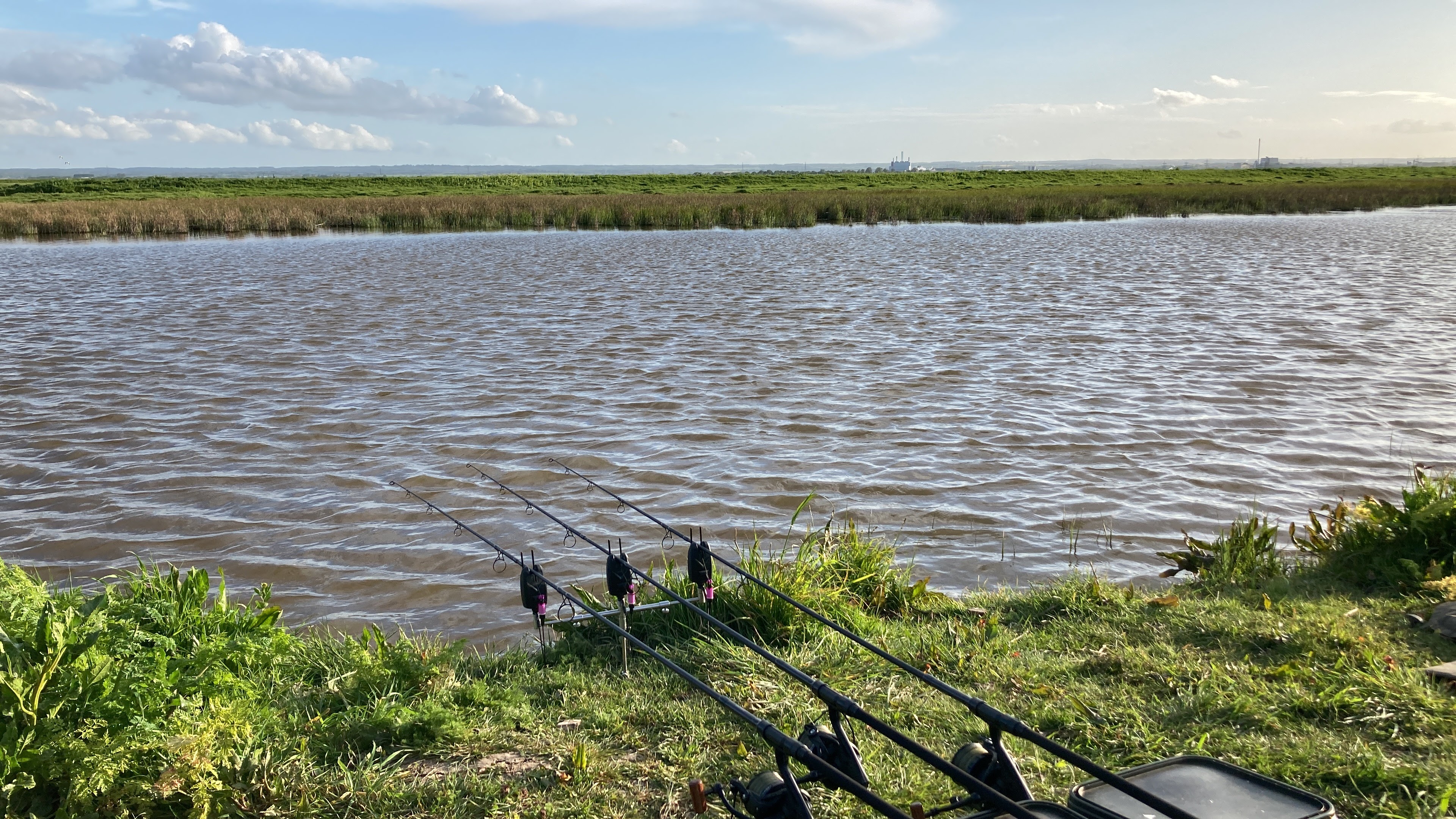
Ask a group of experienced carp anglers what skill catches the most fish and many will give the same answer: watercraft.
Watercraft is the ability to read a lake, understand fish behaviour and spot opportunities that other anglers miss.
It isn't something you buy from a tackle shop and it can't be tied onto the end of your line. It's a skill developed through observation, patience and experience.
The good news is that even beginners can start improving their watercraft from their very next fishing session.
What Is Watercraft?
In simple terms, watercraft is understanding what is happening on the lake and using that information to improve your chances of catching fish.
Instead of randomly picking a swim and casting out, anglers with good watercraft look for clues that reveal where carp are feeding, moving or resting.
Carp's Answer: "The lake is constantly giving you clues. Most anglers just aren't paying attention."
Why Watercraft Matters More Than Tackle
Imagine two anglers arrive at the same lake.
One has the latest rods, alarms, bivvy and a tackle box full of expensive rigs. The other spends thirty minutes walking the lake and finds showing fish before setting up.
More often than not, the second angler will catch more carp because they've found the fish first.
Carp's Answer: "We don't care how much your setup cost if you're fishing in the wrong place."
The First Rule of Watercraft
Arrive at the lake and don't rush to set up.
One of the biggest beginner mistakes is unloading the gear and claiming the nearest swim before looking for signs of fish.
Spend time walking the lake first. Watch. Listen. Observe.
Those first twenty minutes can completely change your fishing session.
Look for Showing Fish
A showing carp is one of the most valuable pieces of information you can receive.
If a fish rolls, jumps or breaks the surface, you've immediately learned one thing:
There is at least one carp in that area.
While a showing fish isn't always feeding, it provides a starting point that is often far more useful than picking a swim at random.
Carp's Answer: "When we show, we're giving away our location for free."
Learn to Spot Feeding Signs
Carp often leave clues when they are feeding.
Common Signs of Feeding Fish:
- Fizzing bubbles.
- Cloudy patches of water.
- Muddy areas appearing suddenly.
- Repeated disturbances in the same area.
- Fish showing regularly.
- Tail patterns near the surface.
The better you become at recognising these signs, the easier it becomes to locate feeding carp.
Carp's Answer: "We're not neat eaters. Follow the mess."
Understand Lake Features
Carp rarely spend all day swimming around empty open water.
Instead, they are often attracted to features that provide food, shelter or safe travel routes.
Features Worth Investigating:
- Weed beds.
- Gravel bars.
- Drop-offs.
- Island margins.
- Overhanging trees.
- Reed beds.
- Sunken snags.
- Shallow plateaus.
Carp's Answer: "Features are like service stations on a motorway. We visit them regularly."
Don't Ignore the Margins
One of the most overlooked areas on any lake is the water close to the bank.
Many anglers immediately cast as far as possible while completely ignoring the margins.
Yet some of the biggest carp in the lake may be feeding only a few feet away.
Carp's Answer: "While you're aiming for the horizon, we're eating beside your landing net."
Learn the Influence of Weather
Carp respond to changing weather conditions just like every other creature.
Things to Watch:
- Wind direction.
- Rising temperatures.
- Cold fronts.
- Rainfall.
- Bright sunshine.
- Cloud cover.
While there are no guarantees, weather changes often influence where carp choose to spend their time and when they decide to feed.
Carp's Answer: "You check the forecast. We live in the forecast."
Watch Other Anglers Carefully
You don't need to copy every rig or bait choice you see.
Instead, pay attention to where fish are being caught and where activity is occurring around the lake.
Information is information. Good anglers learn from what they observe.
Keep a Fishing Diary
One of the fastest ways to improve your watercraft is to record what happened during each session.
Useful Notes to Record:
- Date.
- Weather conditions.
- Wind direction.
- Water temperature.
- Where fish were showing.
- Capture times.
- Bait used.
- Successful areas of the lake.
Patterns will begin to emerge over time, helping you make better decisions on future sessions.
Common Watercraft Mistakes
- Setting up without observing the lake.
- Ignoring showing fish.
- Fishing where it's comfortable instead of productive.
- Staying in a dead swim all day.
- Overthinking rigs and bait.
- Failing to adapt to changing conditions.
- Spending more time staring at rods than the water.
Carp's Answer: "The clues are out there. You just have to lift your eyes off the bite alarms occasionally."
The Beginner's Watercraft Checklist
- Walk the lake before setting up.
- Look for showing fish.
- Watch for feeding signs.
- Identify key features.
- Check wind direction.
- Inspect the margins.
- Choose a swim based on evidence.
- Continue observing throughout the session.
Follow this simple routine and your catches will improve far more quickly than if you focus entirely on rigs and tackle.
Frequently Asked Questions
Can beginners learn watercraft?
Absolutely. Every experienced angler started as a beginner. Watercraft improves through observation and time spent on the bank.
What is the most important watercraft skill?
Learning to locate carp before setting up is arguably the most valuable skill any angler can develop.
How long should I spend watching a lake?
Even twenty to thirty minutes of observation can reveal valuable information and help you choose a better swim.
Does watercraft matter more than rigs?
In most situations, yes. A simple rig in the right location will usually outperform a perfect rig in empty water.
Final Thoughts
Watercraft isn't a secret tactic known only by a handful of anglers. It's simply the habit of paying attention to what's happening around you.u spend studying the water, the more patterns you'll recognise and the easier it becomes to predict where carp will be.
Learn to read the lake first and everything else in carp fishing becomes much easier.
Carp's Final Answer: "The anglers who catch us consistently aren't lucky. They're listening to what the lake is telling them."