Understanding Carp Behaviour
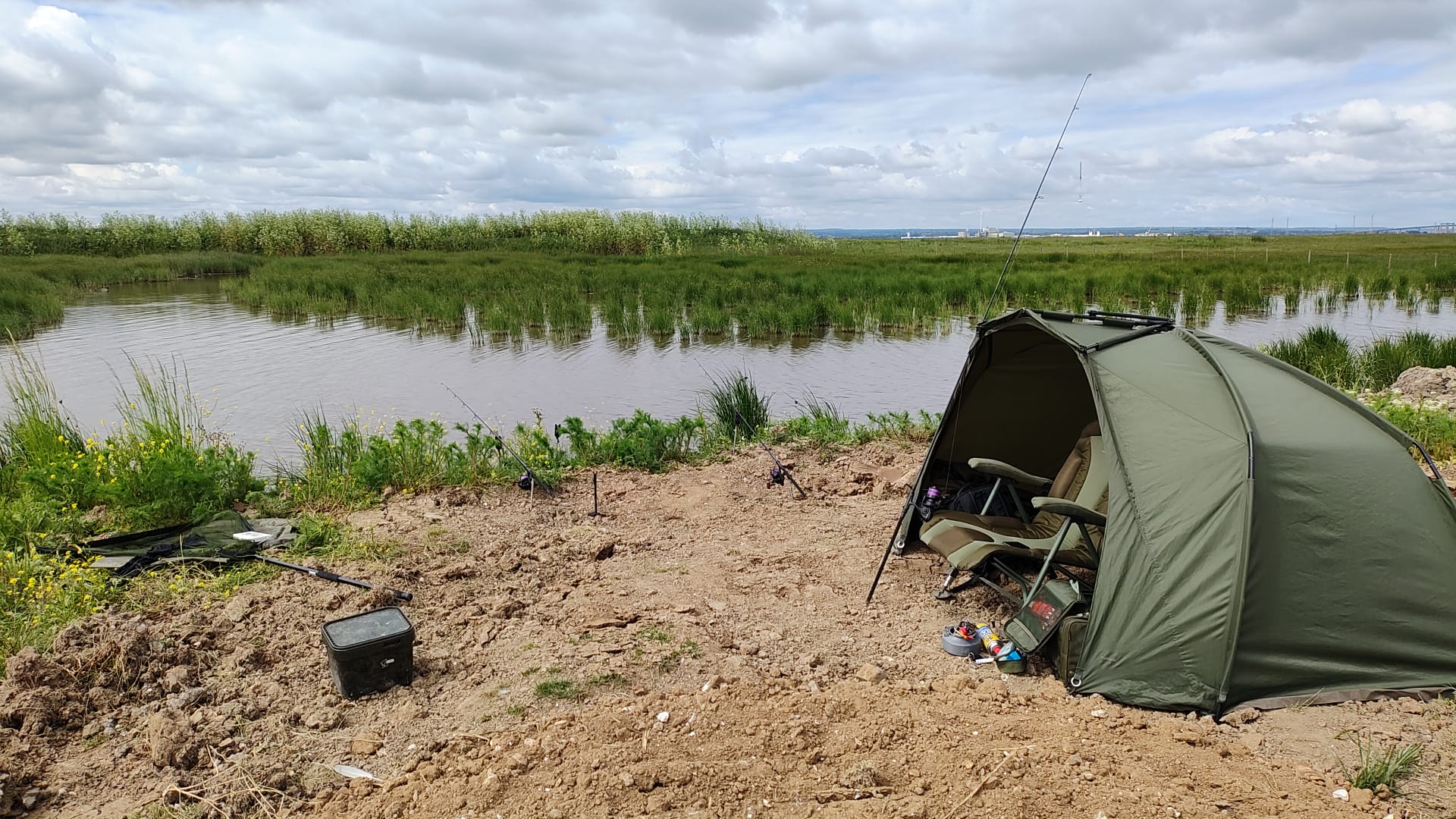
If there's one thing that separates successful carp anglers from the rest, it isn't expensive tackle, fancy rigs or secret bait recipes.
It's understanding how carp behave.
The more you understand why carp move, feed, hide and react to changing conditions, the easier it becomes to predict where they'll be and how to catch them.
In many ways, carp fishing is less about catching fish and more about solving a puzzle.
What Influences Carp Behaviour?
Carp behaviour changes constantly. Several factors can influence where fish choose to spend their time and whether they're actively feeding.
- Water temperature.
- Weather conditions.
- Wind direction.
- Food availability.
- Fishing pressure.
- Time of day.
- Season.
- Lake features and cover.
Carp's Answer: "We're not random. You just haven't worked us out yet."
Why Carp Move Around the Lake
Carp rarely stay in one place all day.
Like any animal, they move in search of food, comfortable water temperatures, oxygen-rich areas and security.
Understanding these movements is often the difference between choosing a productive swim and staring at motionless rods all day.
Common Reasons Carp Move:
- Searching for food.
- Following warm water.
- Avoiding disturbance.
- Seeking oxygen-rich areas.
- Travelling between feeding spots.
- Responding to changing weather.
Carp's Answer: "If conditions change, we'll move. Why wouldn't we?"
Understanding Feeding Behaviour
Carp are opportunistic feeders. They spend much of their time searching for natural and introduced food sources.
However, feeding isn't constant throughout the day.
Feeding activity often comes in short windows, which is why timing can be so important in carp fishing.
- Signs Carp Are Feeding
- Bubbles fizzing on the surface.
- Cloudy patches in the water.
- Muddy areas appearing suddenly.
- Fish showing regularly.
- Tail patterns and subtle disturbances.
Carp's Answer: "We're messy eaters. Learn to spot the clues."
Why Carp Love Features
Carp are naturally drawn to areas that provide food, shelter or a safe route around the lake.
These areas are known as features and they often hold fish throughout the year.
Features Carp Regularly Visit:
- Weed beds.
- Gravel bars.
- Drop-offs.
- Reed lines.
- Overhanging trees.
- Margins.
- Sunken snags.
- Island margins.
Carp's Answer: "Open water is fine. Features are better."
Why Carp Love the Margins
Many anglers assume big carp spend all their time in deep open water. In reality, some of the biggest fish in the lake can often be found feeding close to the bank.
Margins provide natural food, cover and security, particularly when most anglers are casting elsewhere.
Carp's Answer: "The safest place is often where nobody thinks to look."
How Weather Affects Carp Behaviour
Weather has a huge impact on carp movement and feeding activity.
Warm Weather
Carp become more active, feed more frequently and can often be found in shallow water or cruising near the surface.
Cold Weather
Carp generally move less and feed in shorter windows, often favouring stable conditions and comfortable water temperatures.
Rain
Rain can increase oxygen levels and trigger feeding activity, particularly after warm periods.
Wind
Wind can push food and oxygen towards one area of the lake, attracting fish.
Carp's Answer: "You watch the weather forecast. We live in it."
Do Carp Learn from Anglers?
Carp are far from stupid.
Fish living in heavily fished waters are exposed to lines, leads, baited areas and angling pressure on a regular basis.
While they don't sit around discussing rig mechanics, they can become cautious and wary over time.
This is one reason why presentation, location and stealth become increasingly important on pressured venues.
Carp's Answer: "After being caught a few times, some of us start asking questions."
Why Carp Stop Feeding
Every angler experiences periods when bites suddenly stop.
This doesn't always mean the fish have disappeared.
Possible Reasons:
- Weather changes.
- Overfeeding.
- Fishing pressure.
- Natural food availability.
- Water temperature changes.
- Movement to another area of the lake.
Carp's Answer: "Just because we're not eating doesn't mean we've left."
Seasonal Carp Behaviour
Spring
Carp become more active as water temperatures rise and begin feeding more consistently.
Summer
Peak activity. Fish move frequently, feed heavily and often visit shallow water and surface layers.
Autumn
Carp often feed aggressively as they prepare for the colder months ahead.
Winter
Reduced activity and shorter feeding windows, but carp remain catchable throughout the season.
Carp's Answer: "The seasons change. So do we."
Common Behaviour Mistakes Anglers Make
- Fishing where they want fish to be rather than where fish actually are.
- Ignoring showing fish.
- Assuming carp stay in one area all day.
- Overthinking rigs.
- Ignoring weather changes.
- Failing to observe the water.
- Fishing habits instead of evidence.
Carp's Answer: "You'd catch more of us if you spent less time looking at your tackle and more time looking at the lake."
The Carp Behaviour Formula
If you remember nothing else from this guide, remember this:
Carp go where conditions suit them best.
- Food.
- Comfort.
- Safety.
- Oxygen.
Whenever you're trying to find fish, ask yourself which area of the lake offers the best combination of those four things.
Final Thoughts
Understanding carp behaviour won't guarantee more fish overnight, but it will help you make better decisions every time you visit a lake.
The best anglers aren't mind readers. They've simply learned to recognise patterns and understand why the fish are behaving the way they are.
Learn those patterns and you'll spend less time guessing and more time catching.
Carp's Final Answer: "We tell you where we are every day. Most anglers just don't know how to listen."