Why I Keep a Fishing Diary (And Why You Should Too)
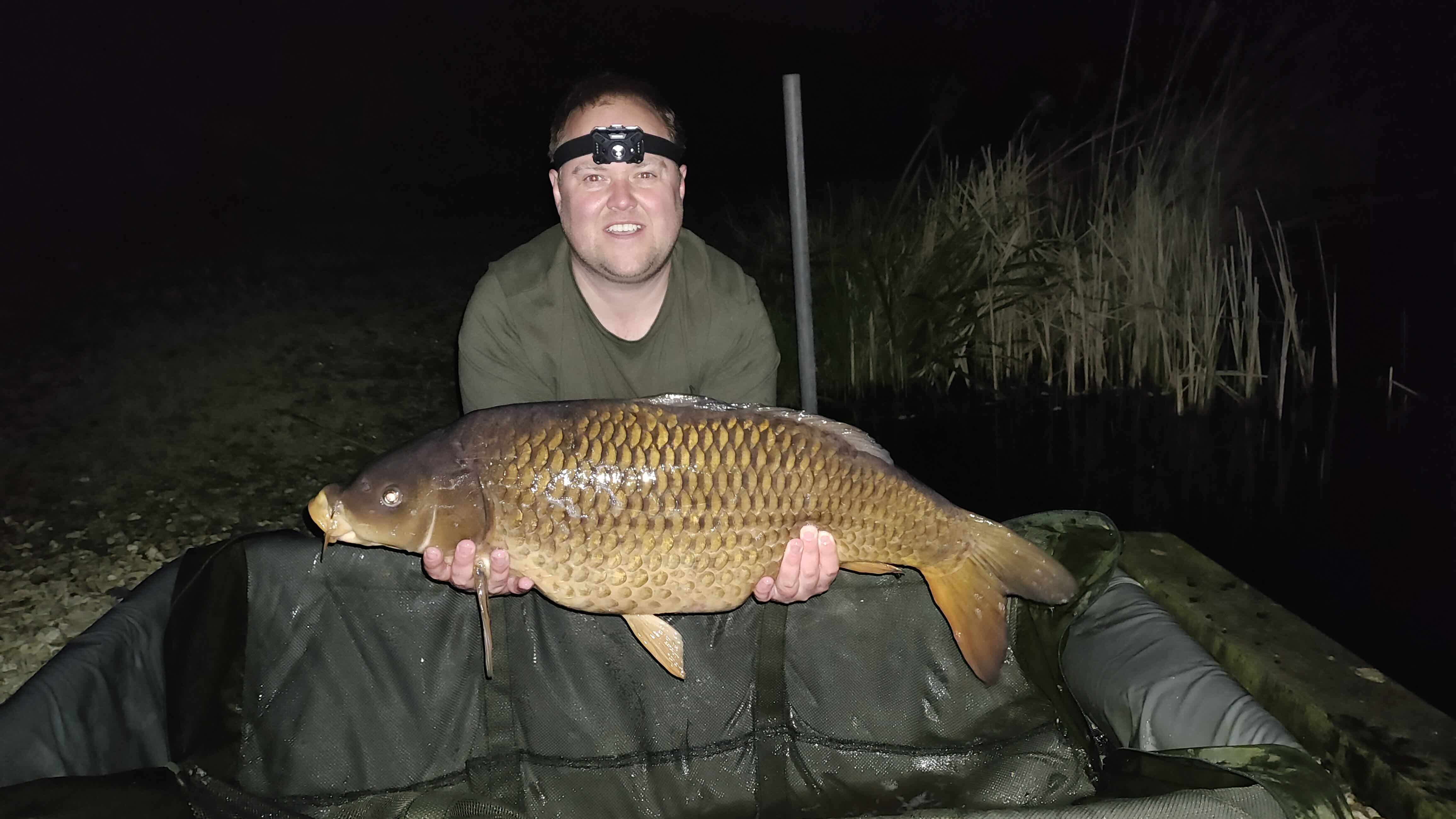
I'll be honest. For years, I didn't keep any notes at all.
I'd remember the big fish, the funny stories and the sessions where everything seemed to go right, but I'd completely forget the little details that actually mattered.
What was the weather doing? Which swim was producing? Where were the fish showing? What bait had worked best?
After a while I realised I was making the same mistakes over and over again because I wasn't learning from my previous sessions.
That's when I started keeping a fishing diary, and it's probably one of the most useful things I've ever done as an angler.
Carp's Answer: "You call it luck. We call it a pattern you haven't noticed yet."
Why Bother Keeping a Diary?
Because carp fishing is full of patterns.
Fish often respond to the same weather conditions, wind directions, water temperatures and feeding opportunities. The problem is that most of us forget those details long before the next season comes around.
A fishing diary helps you build a record of what actually happened, rather than relying on memory.
The longer you keep one, the more valuable it becomes.
My Biggest Lesson
One thing I discovered quite quickly was that some of my better sessions weren't random at all.
Looking back through my notes, I started noticing the same things happening repeatedly. Certain swims produced fish under particular wind directions. Some spots came alive during autumn. Other areas only seemed to produce in the warmer months.
Without recording those details, I'd never have spotted the pattern.
Carp's Answer: "We've got habits. You're the one who keeps forgetting them."
You Don't Need Anything Fancy
A fishing diary doesn't need to be complicated.
Mine started as a cheap notebook I kept in my tackle bag.
These days you might prefer a notes app, spreadsheet or even a dedicated fishing app. The format doesn't matter.
The important thing is recording information consistently.
What I Record After Each Session
I try to keep things fairly simple.
- Date and venue.
- Weather conditions.
- Wind direction.
- Where fish were showing.
- Bait and rigs used.
- How much bait I introduced.
- Capture times.
- Fish weights.
- Anything unusual I noticed.
It usually takes less than five minutes, but those few minutes create a record that becomes more valuable every year.
Record the Bad Days Too
This is probably the biggest mistake anglers make.
Everyone writes down the sessions where they catch. Very few people record the blanks.
The truth is that some of the most useful lessons come from the days when nothing happens.
If you've spent eight hours fishing a swim and haven't seen a sign of a carp, that's information worth keeping.
Over time you'll start to understand not only what works, but also what doesn't.
Carp's Answer: "Blank sessions aren't failures. They're clues."
How the Patterns Start to Appear
The real magic happens after months or even years.
You start flicking back through old entries and noticing things you'd completely forgotten.
Maybe your better catches always happen after a warm south-westerly wind. Maybe a particular margin spot comes alive every spring. Maybe most of your bites arrive within the first few hours of daylight.
None of this looks important when viewed as a single session. When viewed across dozens of sessions, it becomes incredibly useful.
Carp's Answer: "We've been following the same routines all along. You're only just starting to notice."
Before You Go Fishing, Read Your Old Notes
One habit I've developed over the years is reading previous diary entries before heading to a lake.
If I'm fishing the same venue during a similar time of year, I'll look back and see what happened before.
Which swims were productive? Where were fish showing? What mistakes did I make?
Sometimes the answers are already sitting in your notebook waiting to be rediscovered.
A Simple Diary Entry Example
Date: 14th October
Venue: Mousehole Lakes
Weather: Mild and overcast
Wind: South-westerly
Fish Activity: Several fish showing near Swim 1
Bait: 15mm cell boilies
Result: 1 common carp at 18lb 4oz
Notes: Most activity occurred within ten feet of the bank.
Nothing complicated. Just useful information you'll appreciate having six months later.
What a Fishing Diary Really Gives You
Confidence.
Instead of guessing, you're making decisions based on your own experiences.
You're building a personal record of what works on your waters, in your conditions and with your style of fishing.
No magazine article, YouTube video or tackle advert can replace that.
Carp's Answer: "The angler with the best notes often knows more than the angler with the most expensive tackle."
Final Thoughts
A fishing diary won't instantly make you a better angler.
What it does is help you learn a little more from every single session. Over time, those lessons start to add up.
Looking back through old notes is a bit like having a conversation with your younger self. Sometimes you'll spot mistakes. Sometimes you'll rediscover ideas that worked brilliantly.
Either way, you'll become a more thoughtful and observant angler.
Carp's Final Answer: "Your memory will forget. Your diary won't."