What the Carp Told me
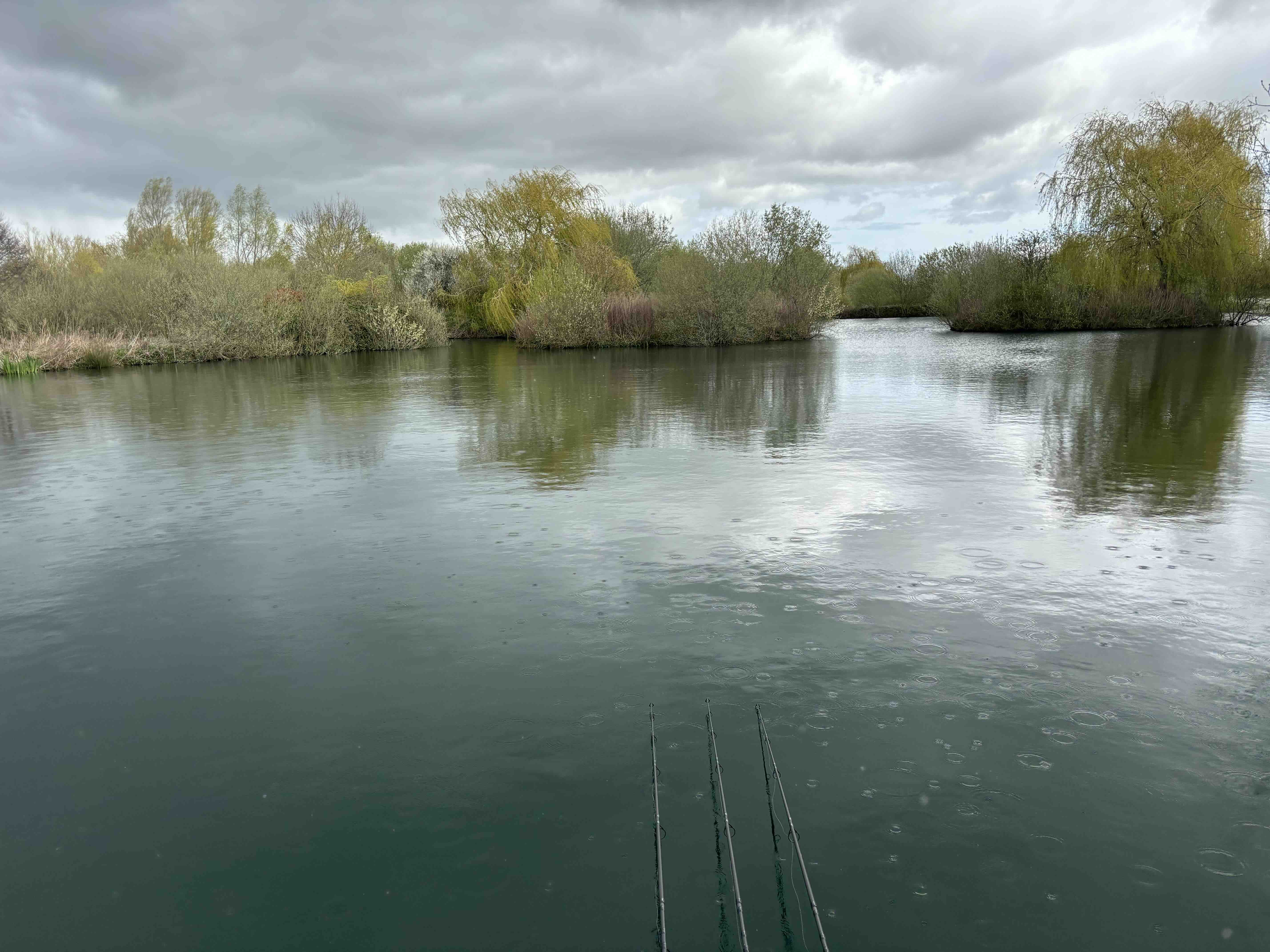
After interviewing all the carp that reach the bank, this is what they told me...
What is the best time to catch carp?
"We're not wearing watches, but we do like breakfast and dinner."
Carp can be caught at any time of day, but many anglers find the most productive periods are during the early morning and the last few hours before dark. These low-light periods often see carp moving around more confidently and feeding in the margins or shallow areas.
That said, don't pack up if you've missed sunrise. Weather conditions, water temperature, fishing pressure and the time of year can be far more important than the time on the clock.
Carp's Answer: "If we're hungry, we'll eat. Just be there when that happens."
What bait catches the biggest carp?
"The one we're already eating."
There's no magical bait that guarantees a big fish. Large carp are caught every year on boilies, pellets, particles, sweetcorn, wafters and even simple surface baits.
The real secret is confidence and consistency. A quality bait presented in the right area will usually outperform the latest flashy wonder-bait advertised online.
For beginners, a simple boilie and matching hookbait is often the easiest place to start.
Carp's Answer: "Stop looking for miracle bait and start finding where we live."
What is the easiest carp rig for beginners?
"Keep it simple, we aren't rocket scientists."
The Hair Rig is widely considered the best starting point for new carp anglers. It's easy to tie, works with most hookbaits and has been catching carp for decades.
Pair a basic Hair Rig with a reliable lead setup and you'll have a rig capable of catching fish on almost any venue.
Many beginners make the mistake of constantly changing rigs when they should be focusing on location, baiting and watercraft.
Carp's Answer: "A simple rig in the right spot beats a complicated rig in the wrong spot."
Do carp feed in winter?
"Of course we do, we just eat less often."
Carp remain active throughout winter, but their feeding behaviour changes as water temperatures drop. They tend to move less, feed for shorter periods and often favour smaller, easier meals.
Success in winter usually comes from finding the fish, fishing accurately and avoiding overfeeding the swim.
A single bite on a cold January day can be more rewarding than ten bites in the middle of summer.
Carp's Answer: "We're still here, you just need a bit more patience."
What's the biggest mistake beginner carp anglers make?
"Fishing where they want to fish instead of where the carp are."
Most beginners spend more time choosing tackle than looking for fish. Before casting a single rod, spend time watching the water. A carp rolling at 50 yards is worth more than the most expensive rig in the tackle shop.
Carp's Answer: "Find us first. Impress us later."
What attracts carp more: scent or visual?
"Why choose one when you can have both?"
Carp use all their senses to find food. Bright hookbaits can help grab attention, especially when visibility is good, while attractive baits release scents and food signals that can encourage fish to investigate.
In clear water, a bright pop-up might catch our eye first. In coloured water, smell and taste often do more of the hard work.
For beginners, don't overthink it. A bait that stands out and smells appealing is never a bad place to start.
Carp's Answer: "We might spot it first, but we'll eat it because it smells and tastes right."
What are the signs of carp feeding?
"We leave clues everywhere, most anglers just don't notice them."
Carp often reveal their presence through subtle signs on the water.
Look for:
Bubbles fizzing to the surface
Muddy or cloudy patches
Fish showing or rolling
Tail patterns on the surface
Reeds and weed beds shaking unexpectedly
Flat spots appearing in windy conditions
The more time you spend watching the water, the more these signs start making sense.
Carp's Answer: "Spend less time recasting and more time looking."
How close to the margin should I fish?
"Closer than most anglers dare."
One of the biggest surprises for beginners is just how close carp often feed to the bank. Under your own margin, beneath overhanging trees and along reed lines can be some of the safest areas in the lake.
Don't assume you need to cast to the horizon. Before making a long cast, always check the water directly in front of you.
Many anglers have caught their biggest fish only a rod length from the bank.
Carp's Answer: "While you're casting to the far bank, we're eating your loose feed at your feet."
Why do carp jump out of the water?
"Sometimes we're feeding, sometimes we're moving, and sometimes we're just being weird."
Carp show themselves for many reasons. They may be moving between areas, shedding parasites, reacting to changes in water conditions or simply behaving like carp.
A showing fish doesn't always mean it's feeding, but it does tell you where a carp is right now, and that's valuable information.
Carp's Answer: "We're not waving at you, but we are giving you a clue."
Does wearing camo or carp clothing help in any way?
"We notice movement a lot more than fashion choices."
Carp don't care whether you're wearing the latest camo hoodie, a matching fishing suit, or an old pair of jeans. What matters far more is how you behave on the bank.
Heavy footsteps, standing silhouetted against the sky, repeatedly walking to the water's edge, or shining bright lights into the margins are much more likely to spook carp than the colour of your clothing.
That said, dull greens, browns and dark clothing can help you blend into your surroundings when stalking fish in the edge or fishing very clear, shallow water. The benefit comes from being less visible, not because the carp are impressed by your wardrobe.
For most anglers, spending money on bait, tackle and learning watercraft will catch more carp than spending it on matching camo gear.
Carp's Answer: "We don't care if you're dressed like a commando or a clown. Just stop stomping around the bank."
Any Final Advice?
After years of interrogation, thousands of casts and countless cups of tea, the carp all seemed to agree on one thing...
Carp's Final Answer: "Stop staring at your rods. Put your phone down. Look at the water. We can't hide forever."